Gardening for Mental Health: Evidence-Based Benefits for Well-Being

Written by: Dr. Nicole Morris, DNP, PMHNP-BC

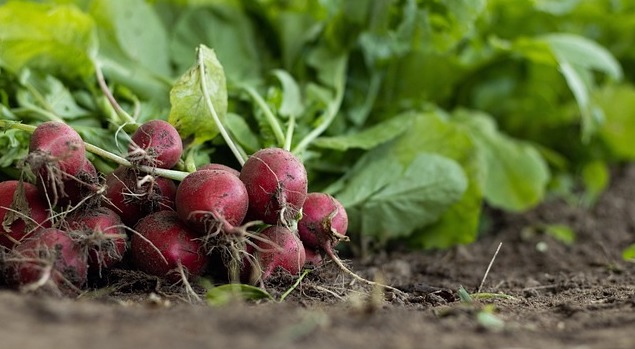
Vegetables in a basket

If you’ve ever walked outside to water your plants and noticed you felt a little calmer afterward, you’re not imagining it. Gardening has a real impact on how we feel, think, and handle stress. And the good news? You don’t need a big yard, fancy tools, or a green thumb to get the benefits. Let’s talk about why gardening is so good for your mental health and how you can easily make it part of your life here in Coastal Virginia.

Why Gardening Helps Us Feel Better

Life is busy. Our brains are constantly juggling work, family, schedules, and screens. Gardening gives us a break from all of that.

Research shows that gardening can lower stress levels, improve mood, and help with focus and attention. One reason is that being around plants helps lower cortisol, the hormone your body releases when you’re stressed. Even short periods of gardening about 10 to 30 minutes have been linked to feeling calmer and more relaxed.

Woman with an apron poses in a vegetable garden.

Another big benefit? Mood support. Studies looking at thousands of people have found that gardening is linked to fewer symptoms of anxiety and depression. People often report feeling more positive, more grounded, and more satisfied with life when they regularly spend time caring for plants.

Gardening is also great for your attention and focus. Being in nature gives your brain a chance to rest. Instead of forcing yourself to concentrate, gardening uses what researchers call “gentle attention” watching leaves move, noticing new growth, feeling soil in your hands. This helps mental fatigue melt away.

Why Gardening Works So Well

Small black insect sits on a bush.

Gardening is powerful because it combines several helpful things all at once:

Routine and purpose: Plants need regular care. Watering, checking for growth, or pulling a few weeds gives structure to your day and a sense of accomplishment.

Sensory connection: Gardening uses all your senses the colors of flowers, the smell of herbs, the feel of dirt. This sensory input helps ground your body and mind in the present moment.

Gentle movement: Gardening counts as physical activity, even when it’s light. Simple movements like planting, watering, or harvesting support both physical and mental health.

Connection to nature: Watching plants grow reminds us that life moves in seasons. That perspective can be especially comforting during stressful times.

Easy Ways to Garden for Well-Being

Path through a garden with the sun at the end.

You don’t need to overhaul your yard or commit hours a week. Small, simple efforts matter.

Try container gardening. Pots work great on porches, patios, or balconies. Herbs like basil, mint, rosemary, or thyme are easy to grow, smell amazing, and are useful in the kitchen.

Grow a few flowers. Bright, cheerful flowers like zinnias, marigolds, or black-eyed Susans do well in our area and don’t require much fuss.

Keep it short and simple. Even 10 to 15 minutes a day is enough. Watering plants, checking for new growth, or deadheading flowers can be surprisingly calming.

Drop the pressure. Your garden doesn’t need to look perfect. The mental health benefits come from the act of caring, not from having a picture-perfect space.

A Gentle Reminder

Plant with spiky flower on which a bee rests.

Gardening is a wonderful way to support your mental health, but it isn’t a replacement for professional care. If you’re struggling with ongoing anxiety, depression, or emotional distress, reaching out to a mental health professional is important. Think of gardening as one helpful tool something that works best alongside other forms of support.

Growing More Than Plants

Here in Coastal Virginia, we’re lucky to have a long growing season and plenty of opportunities to garden, even in small spaces. Whether you’re tending a few pots of herbs or spending time in a backyard bed, gardening offers a simple way to slow down, breathe, and reconnect with nature and with yourself.

Sometimes, the best thing you can do for your mind is step outside, put your hands in the soil, and let yourself grow right along with your plants.

Sources available upon request.

Hanover Master Gardeners Gleaning Project

Gleaning is the practice of harvesting excess produce and distributing it to those in need. In short, gleaning directs valuable nutrition to citizens and diverts it from loss in the field. This practice connects food to people through local food pantries.

2021 Hanover Extension summer intern, Sara Hallam, planned and launched the Hanover Extension Master Gardener Gleaners as her project. Her interests in food insecurity and local gardening were drivers for her initiative. Thirty Extension Master Gardeners took food safety training to qualify as gleaners.

Continue reading

Greer School Garden Project

By Christine Atkins, Piedmont Master Gardener

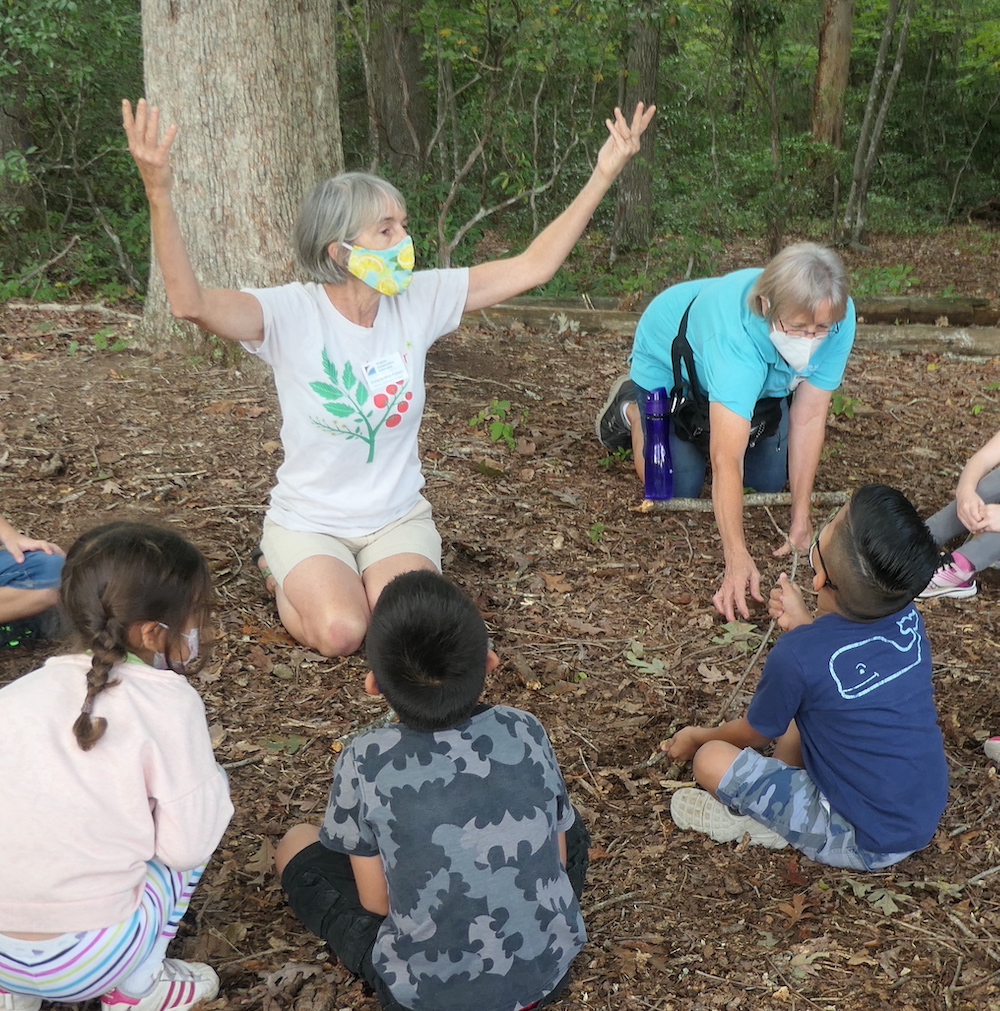
PMG volunteer Christine Putnam, a retired science teacher, talks to 3rd graders about the importance of oak trees while PMG volunteer Fern Campbell gathers acorns for the children.

In 2021, the Piedmont Master Gardeners (PMG) began a partnership with Albemarle County Public Schools to provide gardening instruction and support at three elementary schools, beginning with Mary Carr Greer Elementary School. Greer serves the most diverse student population of any Albemarle County school, and some 75 percent of its students live in households below the poverty line.

Since last September, PMG volunteers have collaborated with Greer teachers to provide lessons to all first- and third-grade classes once per month to enhance their love and understanding of gardening and the environment. The lessons are structured to meet approved Virginia Standards of Learning for science, social studies and mathematics and were developed by Piedmont Master Gardeners who are retired teachers. Some examples include:

Continue reading

Turf to Trees

By Barbara Bailey, Community Engagement Coordinator Master Gardener Coordinator Virginia Cooperative Extension, Loudoun County

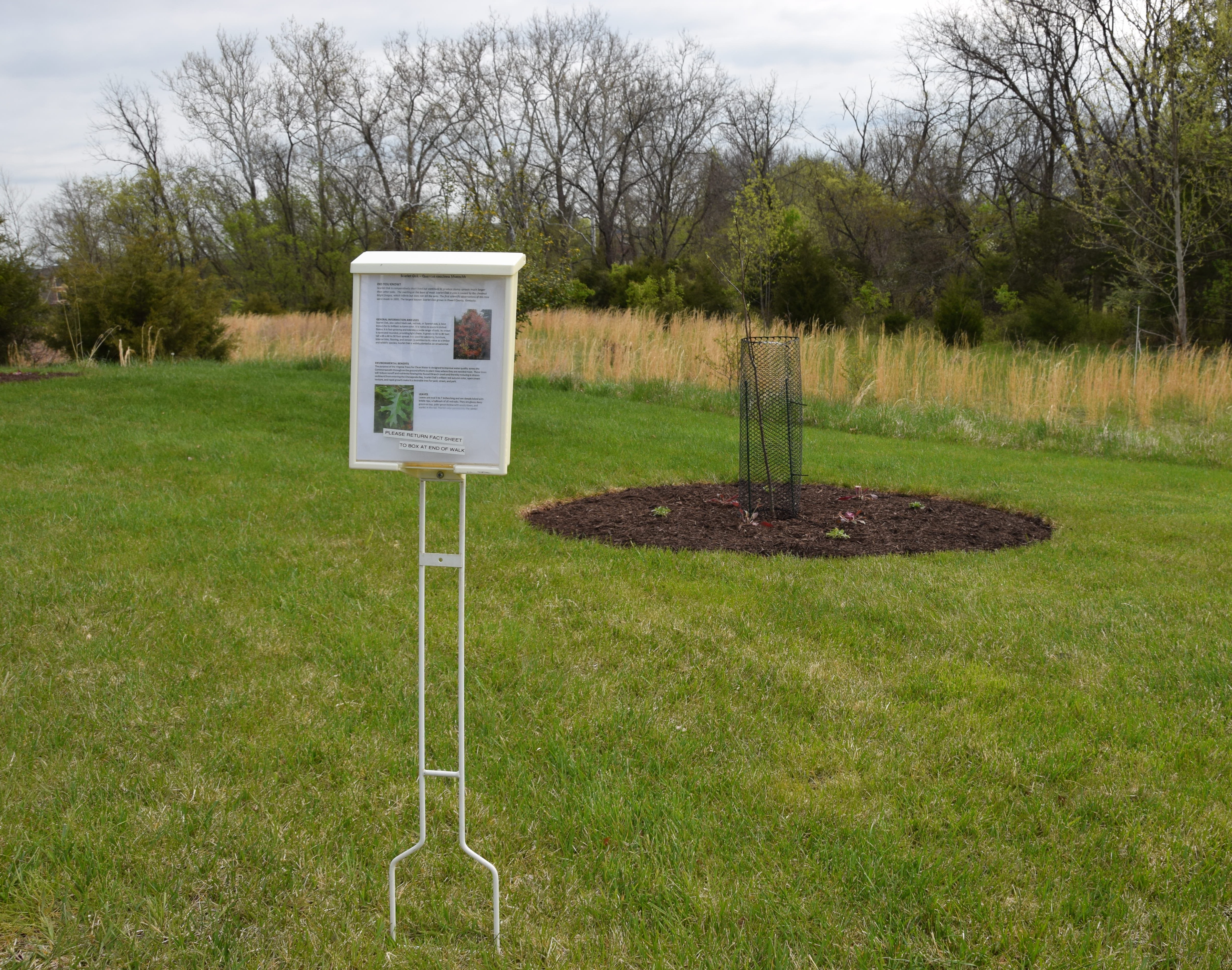
Turf to Trees project info box

Last September, Loudoun Extension Master Gardener Cynthia Falconer spearheaded a cost share grant project, Virginia Trees for Clean Water, awarded by the VA Dept. of Forestry, for her Potomac Green HOA common area.

The objective was to convert sections of turf to mulched beds with native trees and ground cover, thereby reducing runoff and nutrients flowing into Russell Branch Creek, which runs through the property, and reducing in-stream sediment. The trees will also shade a 600-foot section of the community trail system and provide an object lesson in the benefits of trees to community members.

Continue reading
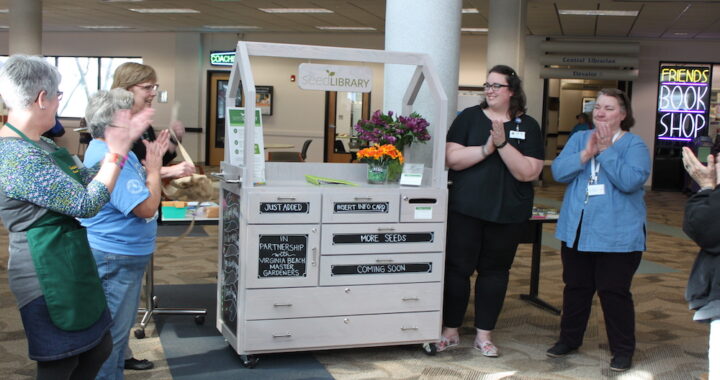
Master gardeners stand around cart and clap

Virginia Beach seed library cart enters fourth season

By Debi Edwards, Virginia Beach Master Gardener

The Virginia Beach Seed Library was created as a joint project of the Meyera E Obendorf (MEO) Central  Library and Virginia Beach Master Gardeners (VBMG) to entice the general public to start planting home gardens.  Since the grand opening in 2018, we have distributed 23,287 seed packets (over 232,000 seeds!) to 719 participants.

Continue reading
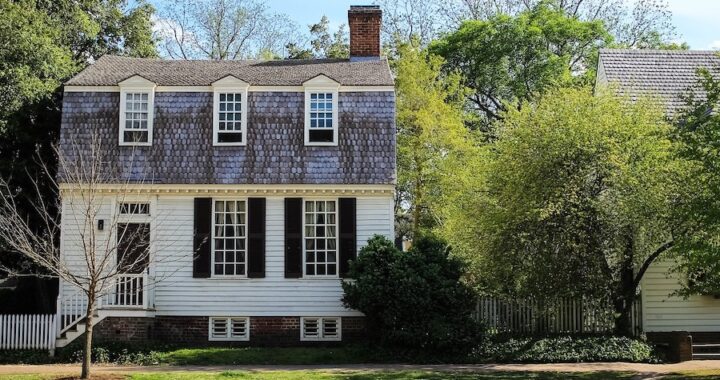
house in colonial williamsburg with trees

Colonial Williamsburg Arboretum Educational Tree Project

Colonial Williamsburg (CW) has within its boundaries a unique collection of trees and woody plants.  The majority of them are native to the Mid-Atlantic region, and those that are not, were introduced into the Virginia Colony prior to 1800.  Although these plants were familiar to Virginia colonists, many of today’s visitors do not recognize them because they are not readily available in commercial nurseries. 

Continue reading
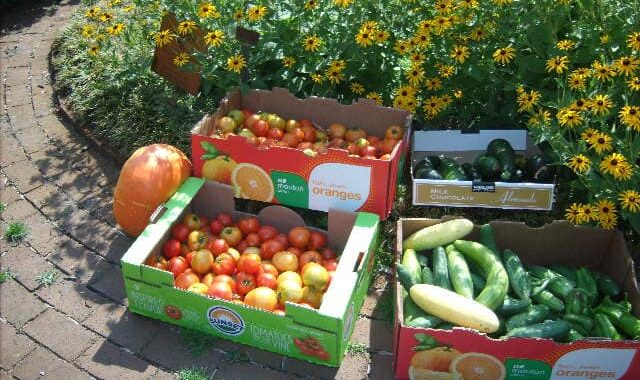
boxes of produce sit on a stone path with yellow flowers in a garden behind them

Fred Heutte Demonstration Garden COVID Response

By: Paul Ziegler, Norfolk Extension Master Gardener

For over 10 years, Norfolk Master Gardeners have operated a Demonstration Garden at the Fred Heutte Center in Norfolk’s Ghent neighborhood. The garden, consisting of 40 4ft X 4ft raised beds, utilizes Square Foot Gardening techniques to demonstrate how to maximize food growing potential in an urban environment.  The entire garden is maintained by a cadre of extremely dedicated Norfolk Master Gardeners and a few neighborhood volunteers. All produce is donated to the Foodbank of Southeastern Virginia.  It has served as a hands-on educational opportunity for not only our Interns, but for our “seasoned perennials” as well.  It has been a central focal point to helpgroups and individuals interested in growing their own produce.

Continue reading
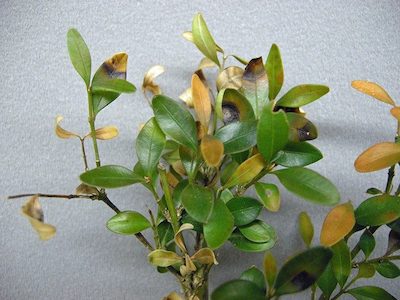
close up branches affected by boxwood blight show leaf yellowing

In Chesterfield, plant disease diagnosis goes virtual amid coronavirus

By: John McBride

In Chesterfield, plant disease diagnosis goes virtual amid coronavirus

Last summer, a local first-time vegetable gardener called the Chesterfield County Master Gardener Help Desk with a big problem: all his tomato plants seemed to be dying. Peg Tipple, Chesterfield County Master Gardener volunteer, jumped into action. After dissecting plant samples brought to the lab, she identified the problem. The gardener had planted his tomatoes in containers that were too small.

Continue reading